


Send Message
Privacy statement: Your privacy is very important to Us. Our company promises not to disclose your personal information to any external company with out your explicit permission.

Guangdong Panata Fitness Equipment Co.,Ltd
So, what is the best gym equipment for a commercial gym?
There is no single machine that is suitable for every facility. The right Commercial Gym Equipment depends on the gym's size, target customers, training programs, available space, and budget. In most commercial fitness facilities, a complete equipment setup combines strength machines, plate-loaded equipment, cardio machines, free weights, and functional training equipment.
For gym owners, distributors, and fitness facility operators, choosing equipment from an experienced gym equipment manufacturer can also make it easier to create a consistent and complete fitness environment.
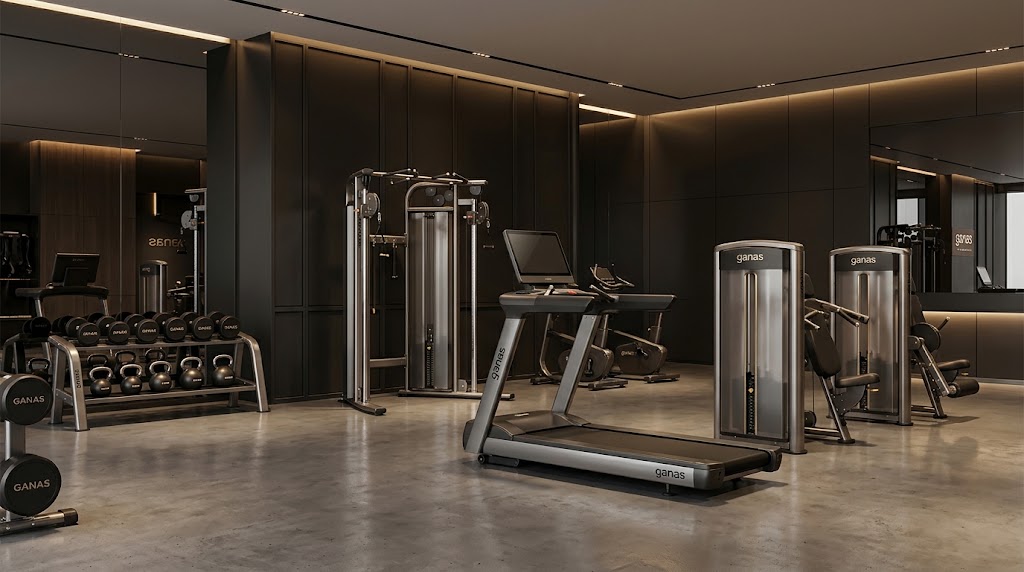
Commercial gym equipment is generally designed for more frequent use than typical home Fitness Equipment. Since many different users may operate the same machine throughout the day, durability, stability, ease of use, and maintenance are important considerations.
When selecting commercial fitness equipment, consider the following factors:
A commercial machine should be manufactured with materials and components suitable for frequent use. Heavy-duty steel frames, durable upholstery, reliable cables, pulleys, bearings, and protective finishes are commonly used in professional gym equipment.
Commercial gyms serve users with different levels of experience. Equipment with clear adjustments and straightforward operating procedures can make it easier for beginners and experienced users to train in the same facility.
Adjustable resistance allows one machine to accommodate users with different strength levels. Selectorized weight stacks and plate-loaded systems are both common options in commercial strength training areas.
Seats, backrests, handles, pads, and movement paths should provide appropriate support and allow users to maintain a comfortable training position.
Since commercial equipment may be used throughout the day, convenient inspection and maintenance are important for long-term operation.
A complete commercial gym usually includes several equipment categories rather than relying on only one type of machine.
Strength machines are an important part of most commercial fitness facilities.
Common commercial Strength Equipment includes:
These machines allow users to train individual muscle groups with guided resistance.
For example, a Commercial Abdominal Crunch Machine provides dedicated core training, while a Biceps Curl Machine focuses on the upper arms. A Pectoral Fly Machine provides isolated chest training, and a Shoulder Press Machine targets the shoulders and upper-body pressing muscles.
Plate Loaded Gym Equipment is another important category for commercial gyms, particularly facilities serving experienced strength-training users.
Common plate-loaded machines include:
Plate-loaded machines use weight plates rather than an integrated selectorized weight stack. This allows users to adjust the resistance according to their individual training requirements.
A Plate Loaded Shoulder Press, for example, provides a guided pressing movement while allowing users to customize resistance by adding or removing plates.
A commercial gym also needs equipment for cardiovascular training.
Popular commercial cardio machines include:
Cardio equipment can serve different user preferences and training goals. For example, treadmills are commonly used for walking and running, while recumbent bikes provide a seated option for low-impact cardiovascular exercise.
The number of cardio machines required depends heavily on the gym's size, membership profile, and available floor space.
Free weights remain an important part of many commercial gyms.
A typical free-weight area may include:
Free-Weight Equipment allows users to perform compound and isolation exercises while developing strength, balance, and coordination.
A commercial gym does not necessarily need to choose between free weights and machines. A combination of both can provide users with more training options.
Functional training areas can make a commercial gym more versatile.
Common functional training equipment includes:
Functional training equipment can support personal training, sports conditioning, circuit workouts, and group training programs.
Instead of simply choosing the largest number of machines, gym owners should consider how each piece of equipment will be used.
A gym serving beginners may need more easy-to-use selectorized machines and cardio equipment. A strength-focused facility may require more plate-loaded machines, free weights, benches, and racks.
Understanding the target customer helps determine the right equipment mix.
Equipment should be arranged with sufficient clearance for users to enter, exit, and exercise safely.
Before purchasing commercial gym equipment, create a floor plan showing:
A well-planned layout can improve the overall user experience without unnecessarily increasing the number of machines.
Commercial machines are expected to withstand repeated use. When comparing professional gym equipment, pay attention to frame construction, upholstery, cables, pulleys, bearings, weight systems, and surface finishes.
Equipment maintenance should be considered before purchase rather than after installation. Ask the supplier about spare parts, maintenance procedures, technical support, and warranty terms.
The cost of setting up a commercial gym depends on the number and type of machines, equipment quality, facility size, shipping, installation, customization, and other project requirements.
Instead of focusing only on the purchase price of an individual machine, gym owners should consider the equipment's intended service life, maintenance requirements, and suitability for the facility.
There is no universal number of machines required for every commercial gym.
A small fitness studio may need a compact selection of essential strength and cardio equipment, while a large fitness club may require multiple units of popular machines to reduce waiting times during busy periods.
For example, a larger facility may include multiple:
The final quantity should be based on floor space, expected membership, peak usage, and the gym's training programs.
A basic full gym equipment plan can be organized into several training zones.
| Training Area | Recommended Equipment |
|---|---|
| Chest & Upper Body | Chest Press, Pectoral Fly, Shoulder Press |
| Back | Lat Pulldown, Seated Row, Low Row |
| Arms | Biceps Curl, Triceps Machine |
| Core | Abdominal Crunch, Back Extension |
| Legs | Leg Press, Leg Extension, Leg Curl |
| Glutes | Glute Machine, Hip/Glute Equipment |
| Cardio | Treadmill , Bike, Elliptical, Rower |
| Free Weights | Dumbbells, Barbells, Benches, Racks |
| Functional Training | Cable Machine, Functional Trainer, Accessories |
This approach allows gym owners to build a balanced facility instead of purchasing equipment randomly.
Different types of facilities may require different equipment combinations.
Large fitness clubs generally require a broad selection of strength and cardio equipment to serve different user groups.
Boutique studios may prioritize compact, multi-purpose equipment that supports specific training programs while making efficient use of limited floor space.
Hotel fitness centers often need a smaller selection of versatile machines that can accommodate short workouts from different types of guests.
Corporate fitness facilities may combine cardio equipment, basic strength machines, functional training equipment, and free weights.
Sports facilities may place greater emphasis on strength, functional training, conditioning, and sport-specific performance equipment.
Working directly with a gym equipment manufacturer can be useful for commercial gym projects because customers may need multiple equipment categories with consistent specifications and appearance.
Ganas Fitness Equipment is a China-based commercial gym equipment manufacturer and supplier providing strength and cardio equipment for gyms, fitness clubs, training centers, distributors, and other fitness facilities.
Its product range includes:
For larger projects, customers can combine different machines to create a complete commercial fitness equipment solution based on the facility's available space and target users.
The most suitable equipment combination depends on the individual commercial gym. A complete facility typically benefits from a balanced selection of strength machines, plate-loaded equipment, cardio machines, free weights, and functional training equipment.
The key is not simply purchasing more machines, but selecting equipment that matches the gym's users, floor plan, training programs, operating frequency, and budget.
For gym owners planning a new facility or upgrading an existing one, working with an experienced professional gym equipment supplier can simplify equipment selection, customization, bulk purchasing, and project planning.


Previous: What Is the Best Brand for Commercial Gym Equipment?
Tel: 86-13434225551
Mobile Phone: +86 13434225551
Address: Panatta Industrial Zone, Longtang Town, Qingcheng District, Qingyuan, Guangzhou City, Guangdong Province,China., Guangzhou, Guangdong
Website: https://www.ganasgym.com
Mail: ky008@ky868.com
Privacy statement: Your privacy is very important to Us. Our company promises not to disclose your personal information to any external company with out your explicit permission.
Fill in more information so that we can get in touch with you faster
Privacy statement: Your privacy is very important to Us. Our company promises not to disclose your personal information to any external company with out your explicit permission.